Taihang Cliff Highways:
Guoliang, Kunshan & Jingdi Precipice Routes
Navigate the extraordinary hand-carved cliff tunnels of the South Taihang Mountains across Henan and Shanxi. Explore the 1,250-meter Guoliang Corridor, the steep switchbacks of Kunshan, and open self-drive routes in Jingdi. 100% legal for foreign motorists with a Chinese provisional driving permit.
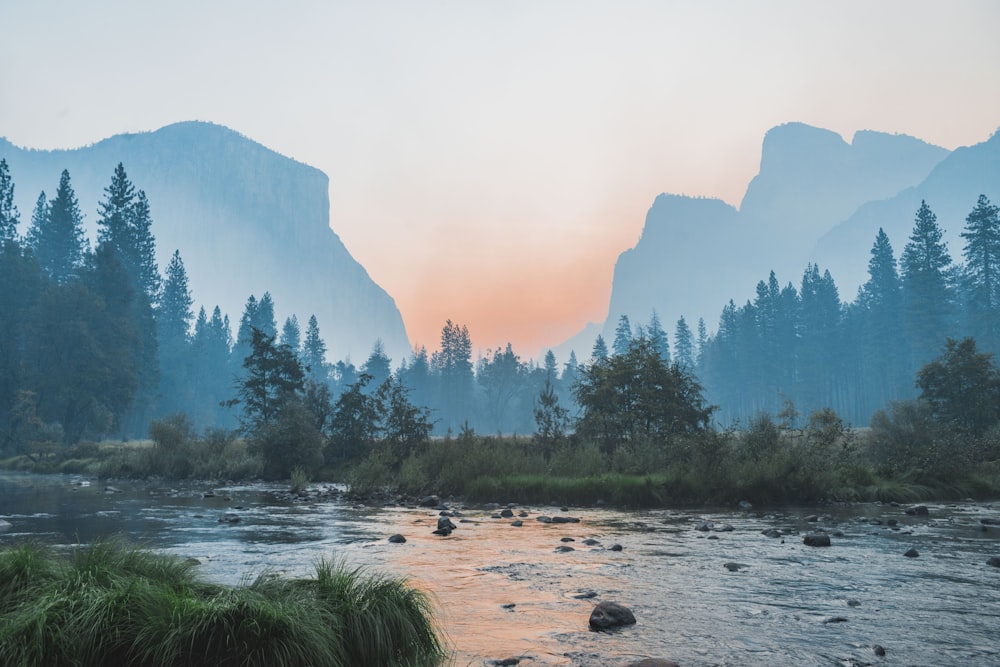
Hand-chiseled cliffside tunnel highway carved through the vertical sandstone peaks of Taihang.
100% Legal Foreign Self-Drive Clearance in Henan & Shanxi
The Taihang Mountain cliff highways are civilian cultural and scenic transportation corridors located entirely within Henan and Shanxi provinces. International travelers holding a valid Chinese Provisional Driving Permit (临时机动车驾驶许可) and passport can freely rent cars and drive independently. No military border permits, police escorts, or organized tour agency bookings are required.
The 7 Hand-Carved Cliff Highways of the Taihang Mountains
Each cliff road possesses a unique history, engineering profile, and self-drive access policy.
Guoliang Cliff Road (郭亮挂壁公路)
The most globally renowned cliff road in China. Chiseled straight through a sheer 110-meter vertical cliff face. Rough chiseled rock walls, dripping subterranean spring water, and 35 natural viewing apertures looking out into the abyss of the Grand Taihang Canyon.
Kunshan Cliff Road (昆山挂壁公路)
The steepest, narrowest, and most adrenaline-pumping cliff road in the Taihang range. Clings like a ribbon to a near-vertical cliff at 1,200 m elevation. Extremely tight single-lane sections with passing turnouts; driving is restricted to small passenger vehicles with low ground clearance.
Jingdi Cliff Road (井底挂壁公路 / 穽底挂壁)
A true independent self-drive marvel. Built to connect the isolated valley village of Jingdi with the outside world. Overlooks the emerald green waters of Xiangtian Lake deep in the canyon. Unlike Guoliang, it is 100% open for independent rental vehicles without scenic shuttle mandates.
Xiyagou Cliff Road (锡崖沟挂壁公路)
The historical pioneer and progenitor of all Taihang cliff highways. The road spirals downward in three stacked levels inside the rock face like an enormous stone corkscrew. A monument to human perseverance commemorated in Chinese national history textbooks.
Huilong Cliff Road (回龙挂壁公路)
Features a 270-degree underground curve inside the solid quartz sandstone cliff before bursting out onto the sheer face of Qingfeng Ridge. Spectacular cloud sea panoramas when mountain fogs roll through the Henan-Shanxi gorge.
Hongtiguan Cliff Road (虹梯关挂壁公路)
The rawest, most primitive cliff road. Lacks modern asphalt or polished guardrails. Traces the historic Hongti Pass where ancient armies traversed between Henan plains and the Shanxi plateau. Famous among off-road enthusiasts.
Chenjiayuan Cliff Road (陈家园挂壁公路)
Unique because it runs along the water line of Chenjiayuan Reservoir. The cliff windows open directly over deep emerald lake waters rather than deep dry canyons, creating stunning turquoise water reflections.
Classic South Taihang Loop: Milestone & Waypoint Log
A 260 km circular loop departing Zhengzhou, ascending through Guoliang and Kunshan into Shanxi, and returning via Pingshun.
Zhengzhou Airport / High-Speed Rail Hub (郑州新郑机场 / 郑州东站)
The premier transportation springboard. Fly into Zhengzhou (CGO) or take the high-speed bullet train from Beijing (2 hours) or Shanghai (4 hours). Pick up your rental car and head north across the Yellow River bridge toward Xinxiang and Huixian (approx. 140 km, 2 hours).
Huixian & Wanxianshan Tourist Gateway (辉县市 / 万仙山大门)
The southern base of the South Taihang range. Drivers purchase Wanxianshan scenic passes here. If you have reserved an approved homestay in Guoliang Village, staff verify vehicle license plates and issue vehicle mountain access permits.
Guoliang Cliff Road Portal & Tunnel (郭亮挂壁公路入口/绝壁长廊)
The legendary 1,250-meter "Long Corridor in the Precipice" (绝壁长廊). Clings to a sheer vertical red quartzite wall. Driving inside feels like navigating an ancient stone cave with sunlit windows revealing the 100-meter drop into the abyss.
Guoliang Village & Red Rock Canyon (郭亮村 / 红石绝壁观景台)
The historic village perched atop the cliff plateau. Famous as a filming site for Chinese cinema. Walk to the Red Rock Canyon overlook to view the full external perspective of the Guoliang tunnel windows carved into the vertical cliff face.
Kunshan Cliff Road & Wangmangling (王莽岭 / 昆山挂壁公路)
Crosses the provincial border from Henan into Shanxi. The Kunshan road descends from the Wangmangling alpine crest through 1,600 meters of raw cliff rock. The steepest and most technically challenging drive in the region.
Jingdi Village & Cliff Highway (井底村 / 井底挂壁公路)
Located in Pingshun County, Shanxi. The 1,526-meter Jingdi tunnel is 100% open for unrestricted private car self-drive year-round. Overlooks the turquoise emerald canyon of Xiangtian Lake with dramatic light shafts.
The 4 Unbreakable Rules of Cliff Tunnel Driving
Due to low rock ceilings, narrow single-lane squeezes, and sheer drops, strict operational protocols must be followed.
Vehicle Height & Dimension Restrictions
The rock ceilings of hand-carved cliff tunnels were chiseled by hand in the 1970s and 1990s and are uneven and jagged. Rigid steel overhead clearance gantries (限高杆) are installed at tunnel portals. Campervans, large SUVs with rooftop cargo boxes, and full-size vans will hit the rock ceiling or get wedged.
Headlights & Low-Beam Protocol
Cliff tunnels alternate between pitch-black enclosed cavern sections and blindingly bright natural light windows. High-beam headlights blind oncoming drivers in narrow single-lane squeezes, causing disorientation inches from cliff drops.
Single-Lane Right-of-Way & Horn Etiquette
Sections of Kunshan and Hongtiguan cliff roads are only wide enough for one vehicle. Passing bays (避车道) are spaced every 50 to 100 meters. Sound two short honks before entering narrow bends. The vehicle closer to a passing turnout must pull over and wait.
Zero Stopping Inside Narrow Tunnel Sections
Tourists are naturally eager to photograph the dramatic stone windows, but stopping your vehicle in a narrow single-lane section halts all traffic behind you and creates severe gridlocks that require reversing over cliff edges.
Seasonal Climate Windows & Meteorological Conditions
The South Taihang range displays four vivid seasons. Plan your travel timing to avoid heavy summer rainfalls and winter black ice.
Autumn (September – November)
Top Optimal Season (5 / 5 Stars)The undisputed golden season in the Taihang Mountains. Deciduous forests across the canyon slopes blaze with fiery crimson persimmons, golden ginkgo, and red maples against red quartzite cliffs. Dry weather, minimal rainfall, and crystal-clear skies.
Summer (June – August)
Lush Greenery & Mountain Cloud Seas (4 / 5 Stars)The mountains turn lush emerald green with cascading waterfalls following summer showers. Frequent morning temperature inversions create breathtaking seas of clouds (云海) rolling below the cliff windows of Wangmangling and Guoliang.
Spring (April – May)
Wildflower Awakening (4 / 5 Stars)Pink mountain peach and white pear blossoms bloom across the canyon terraces and traditional stone villages. Moderate temperatures and low tourist traffic allow relaxed pacing through the cliff tunnels.
Winter (December – February)
Frozen Icicles & Solitude (3 / 5 Stars)Giant frozen blue icicles and frozen waterfalls hang outside the cliff tunnel windows, creating a magical winter ice kingdom. Very few tourists, allowing uninterrupted slow exploration.
Which Vehicle Should You Rent in Zhengzhou?
Because of tight 2.2-meter height limits and narrow single-lane turns, choosing a compact or standard vehicle is essential:
e.g. Haval H6, Geely Boyue, Honda CR-V. Total height is under 1.75 m (well clear of the 2.2 m barrier). Higher ground clearance easily handles uneven gravel shoulders and stone drainage gutters in villages.
e.g. VW Lavida, Toyota Camry, Buick Regal. Compact width (under 1.85 m) makes single-lane passing maneuvers in tunnels stress-free. Low roofline ensures zero fear of hitting protruding rock ceiling stalactites.
Motorhomes (RVs), commercial vans with >7 seats, and passenger cars with roof-mounted bicycle racks or cargo pods are strictly turned away at the 2.2 m barrier. Keep vehicle roofs completely bare.
Bilingual Emergency Flashcards for Mountain Motorists
Cell phone voice translation apps will drop offline inside rock tunnels. Screenshot these verified Mandarin and Pinyin emergency cards to present to local drivers, homestay hosts, or scenic area rangers.
Frequently Asked Questions (FAQ)
Detailed answers covering private vehicle permits, height restrictions, homestay bookings, and best photo spots.
Can foreign nationals legally rent a car and drive the Taihang Cliff Highways?
Yes, 100% legally without special travel permits. The Taihang Mountains span Henan and Shanxi provinces, which are standard open civil travel regions. Foreign motorists holding a valid passport, valid Chinese visa or visa-free entry, and a Chinese Provisional Driving Permit (临时机动车驾驶许可) can rent a vehicle in Zhengzhou, Luoyang, Xinxiang, or Taiyuan and drive independently. There are no military restricted zones or special foreigner travel permit requirements along the main tourist routes.
Can I drive my own rental car through the famous Guoliang Cliff Road (郭亮挂壁公路)?
Guoliang Cliff Road is situated inside the Wanxianshan National Scenic Area (万仙山景区). During daytime tourist peak hours (typically 08:00 to 17:30 from April to October), general civilian private vehicles are directed to park at the large tourist center at the mountain base, and visitors ride the official scenic eco-shuttle buses through the Guoliang tunnel. However, if you book an overnight stay at an authorized hotel or homestay inside Guoliang Village, the hotel owner can submit your rental car license plate to the gate management office, allowing you to drive your own car up through the tunnel before 08:30 or after 17:30.
Which Taihang cliff highways are completely open for unrestricted self-drive anytime?
Jingdi Cliff Road (井底挂壁公路) in Pingshun, Shanxi, and Chenjiayuan Cliff Road (陈家园挂壁公路) in Lingchuan, Shanxi, are part of the public rural and provincial highway networks and are completely open for independent civilian self-drive 24/7 without scenic area entrance gates or mandatory shuttle bus requirements. Kunshan Cliff Road (昆山挂壁公路) is open for private cars (under 7 seats) with one-way downhill traffic regulation from Wangmangling.
What is the vehicle height limit for driving the cliff-hanging tunnels?
The strict overhead clearance limit for all Taihang cliff highways is 2.2 meters (7 feet 2 inches). Rigid steel clearance barriers (限高杆) are welded across tunnel entrances. Standard passenger sedans, compact crossovers, and standard midsize SUVs (such as a Haval H6, Toyota RAV4, or Honda CR-V) easily clear this height. However, large off-road vehicles with elevated roof racks, rooftop tents, cargo pods, or high-top campervans (房车) will impact the steel barrier or the low, jagged rock ceiling inside the tunnels.
What is the best city to fly into and rent a car for a Taihang road trip?
Zhengzhou, the capital of Henan Province, is the premier gateway. Fly into Zhengzhou Xinzheng International Airport (CGO) or take the high-speed bullet train to Zhengzhou East Station (郑州东站). Both hubs feature large rental car centers operated by CAR Inc. (神州租车) and eHi (一嗨租车) that regularly process foreign provisional driving permits. From Zhengzhou, driving north across the Yellow River to the southern Taihang Mountains (Huixian and Wanxianshan) takes just 1.5 to 2 hours via the G4 / S87 expressways.
What driving techniques should I use when passing another car inside a cliff tunnel?
Because parts of Kunshan and Jingdi tunnels are narrow single-lane roads, meeting oncoming traffic requires calm patience: (1) Drive slowly (15 to 25 km/h) with low-beam headlights ON; (2) When you spot an oncoming vehicle, immediately locate the nearest passing bay (避车道) in front of or behind you; (3) The vehicle closest to a passing bay should pull into the cutout and stop; (4) Fold in your driver-side wing mirror if clearances are under 20 cm; (5) Sound two gentle honks to thank the driver yielding to you.
How safe are the cliff-hanging roads, and is there risk of rockfalls?
The roads are well-maintained by Henan and Shanxi transportation bureaus, with reinforced concrete roadbeds and sturdy rock parapets. However, because the cliffs consist of natural stratified red quartzite and limestone, heavy continuous summer rainstorms (July and August) can loosen surface gravel and trigger localized rockfalls (落石). During periods of torrential rainfall or yellow weather alerts, local authorities temporarily close the cliff tunnels for safety inspections. Never drive cliff roads during severe storms.
Can I fly a camera drone around the Guoliang and Kunshan cliff roads?
Yes. The Taihang Mountains are one of China’s most spectacular drone photography destinations. Aerial footage capturing the red sandstone cliffs with the horizontal row of hand-chiseled windows is breathtaking. However: (1) Ensure your drone is registered on the CAAC civil aviation platform; (2) Maintain visual line-of-sight and watch out for vertical updrafts and downdrafts rising up the canyon cliff faces; (3) Never fly into the tunnel interior, where GPS signals will instantly vanish and magnetic interference from iron-rich rock can trigger a flyaway.
Where can I refuel and recharge an electric vehicle (EV) in the mountains?
Petrol stations (PetroChina and Sinopec) supplying 92# and 95# gasoline are located in valley base towns such as Huixian, Nanling, and Pingshun. There are NO fuel pumps inside the high cliff villages themselves, so top up before ascending. EV fast charging stations are available in the main parking lot of the Wanxianshan Visitor Center and in Pingshun county town, but charging facilities in small mountaintop villages like Guoliang remain limited to standard 220V slow wall outlets.
Are hotels in Guoliang Village authorized to host foreign passport holders?
In recent years, China’s National Immigration Administration has simplified foreign tourist lodging rules, and several well-established guesthouses and boutique inns inside Guoliang Village and atop Wangmangling regularly process foreign guest registrations. When booking on Trip.com, filter for "Foreign Guests Welcome" or phone the homestay owner in advance to confirm they can scan your passport into the local public security database upon arrival.
How many days are needed to drive the classic South Taihang Cliff Road loop?
A 3-day / 2-night itinerary is ideal: Day 1: Depart Zhengzhou in the morning, drive to Huixian, enter Wanxianshan, drive through Guoliang Cliff Road, and explore the red rock canyon (sleep in Guoliang Village); Day 2: Drive across the provincial border via the Kunshan Cliff Road to the summit of Wangmangling, admire the panoramic cloud sea, and continue north to Pingshun (sleep in Jingdi Village or Pingshun); Day 3: Drive the Jingdi Cliff Road and explore the Taihang Grand Canyon, then return south to Zhengzhou via the G4 expressway.
What should I wear and pack for a Taihang mountain self-drive trip?
Essential packing includes: (1) Sturdy hiking shoes with high-traction soles for walking on wet cliff stone paths; (2) Polarized sunglasses to eliminate intense light-window glare inside dark tunnels; (3) A windproof jacket, as summit temperatures on Wangmangling and Guoliang can be 8°C to 12°C cooler than the Zhengzhou plains; (4) A compact LED flashlight in your car glove compartment in case of tunnel power cuts; (5) Offline GPS map packages for Henan and Shanxi downloaded in Amap (高德地图).
Next Step: Connect Your Taihang & Central China Itinerary
Explore companion road trip routes across northern Henan and Shanxi, bullet train connections from Beijing, and custom trip planning.
Explore China’s premier pilgrimage highway.
Drive from Lanzhou through Zhangye to Dunhuang.
Daxing airport pickup and provisional license guides.
Guoliang hotel verification and vehicle gate clearance.