China-Nepal Overland HighwayGyirong / Zhangmu to Everest & Lhasa
The grandest trans-Himalayan cross-border driving adventure on earth. 1,000 km ascending from lush subtropical Nepal border gorges onto the roof of the world, beholding the sheer north face of Mount Everest, sacred turquoise lakes, Tashilhunpo Monastery, and the golden palaces of Lhasa.
The Himalayan Trans-Border Odyssey
Connecting Kathmandu with Lhasa, the China-Nepal Friendship Highway (中尼公路) is widely hailed as one of the most sublime driving routes on earth. For international overlanders traveling with their own foreign-registered expedition vehicles, camper vans, or adventure motorcycles, this corridor serves as the primary overland bridge into China.
Starting at Gyirong or Zhangmu Port, the road scales the sheer Himalayan escarpment, climbing over 3,400 vertical meters through dramatic ecological zones—from subtropical bamboo and banana groves to the wind-carved permafrost of the Tibetan Plateau. Here, drivers encounter five 8,000-meter giants, sacred monasteries, and world-class highway infrastructure engineered to modern Chinese standards.
Complete Day-by-Day Overland Itinerary
Engineered for foreign overlanders & rental drivers • Verified border checkpoints & pass elevations
Nepal Border (Rasuwa Gadi / Gyirong Port or Kodari / Zhangmu Port) → Customs Clearance → Gyirong Town (尼泊尔口岸 → 中方海关边检 → 吉隆口岸/樟木口岸 → 吉隆镇/樟木镇)
Gyirong Town → Gyirong Canyon Waterfall Highway → Kong Tang Lhamo Pass (5,236m) → Peiku Tso Sacred Lake → Mount Shishapangma Viewpoint → Old Tingri (吉隆镇 → 孔唐拉姆山口5236m → 佩枯措 → 希夏邦马峰观景台 → 岗嘎镇/老定日)
Old Tingri → Gawula Mountain Pass (5,198m, Five 8,000m Peaks Viewpoint) → 108 Hairpin Bends → Rongbuk Monastery → Everest Base Camp (EBC) (老定日 → 加乌拉山口5198m → 珠峰108拐 → 绒布寺 → 珠峰大本营/扎西宗乡)
Everest Base Camp Sunrise → New Tingri (Shelkar) → Gyatsola Pass (5,248m) → Sakya Ancient Monastery → Shigatse (珠峰大本营日出 → 新定日协格尔 → 嘉措拉山口5248m → 萨迦寺 → 日喀则市)
Shigatse (Tashilhunpo Monastery) → Gyantse Ancient Town (Pelkor Chode & Kumbum Stupa) → Karola Glacier → Yamdrok Lake (日喀则扎什伦布寺 → 江孜宗山古堡/白居寺 → 卡若拉冰川 → 羊卓雍措)
Yamdrok Sacred Lake Panoramic Drive → Gampala Pass (4,790m) → Yarlung Tsangpo River Valley → Lhasa Holy City (羊卓雍措环湖 → 岗巴拉山口4790m → 雅鲁藏布江河谷 → 拉萨市)
Lhasa Cultural Immersion: Potala Palace, Jokhang Temple, and Barkhor Pilgrimage Circuit (拉萨文化巡礼: 布达拉宫 → 大昭寺 → 八廓街朝圣环线)
Lhasa Outward Transit / Vehicle Customs Exit Logistics or Onward China Overland Connection (拉萨离境/车辆海关核销/向东延续自驾)
Trans-Himalayan Elevation Profile & Strategic Waypoints
Critical altitude checkpoints across the dramatic 3,400-meter climb from border gorges to the Tibetan Plateau
Gyirong Port of Entry (吉隆口岸)
1,800 mSubtropical Himalayan gorge along the Trishuli River; dense bamboo, pine, and roaring waterfalls.
Gyirong Town (吉隆镇)
2,600 mPicturesque mountain valley known as the "Back Garden of the Himalayas."
Kong Tang Lhamo Pass (孔唐拉姆山口)
5,236 mHigh Himalayan watershed pass marking the dramatic transition from forest canyon to arid plateau.
Peiku Tso Lake Basin (佩枯措)
4,590 mColossal alpine sapphire lake framed by the snow walls of Mount Shishapangma (8,027 m).
Gawula Pass (加乌拉山口)
5,198 mWorld-famous observation pass with panoramic vistas of five 8,000-meter Himalayan giants.
Everest Base Camp (珠峰大本营)
5,200 mGravel moraine valley right below the sheer north face of Mount Everest (Qomolangma).
Gyatsola Pass (嘉措拉山口)
5,248 mHighest point on the entire G318 National Highway; massive gateway arch draped in prayer flags.
Shigatse Urban Center (日喀则)
3,840 mSecond largest city in Tibet, situated in the fertile Nyang River agricultural basin.
Karola Glacier (卡若拉冰川)
5,039 mHanging glacial tongue descending to within a few hundred meters of the highway edge.
Lhasa Holy City (拉萨)
3,650 mSunlight City nestled in the sheltered Lhasa River valley; historic capital of Tibet.
Bringing Foreign Vehicles Into China (ATA Carnet & Customs)
Official regulatory procedures under the General Administration of Customs of the People’s Republic of China
Temporary Import Bond / ATA Carnet
Valid ATA Carnet or China Customs Cash Guarantee Bond (车辆海关担保金)
Foreign-registered vehicles (automobiles, 4x4 camper rigs, or expedition motorcycles) must be covered by an international ATA Carnet or an approved customs bond arranged via a licensed Chinese partner agency. The vehicle must be fully re-exported from China within the authorized permit timeframe.
Provisional Chinese Driving License & Plates
PRC Temporary Driving License (临时机动车驾驶许可) & Temporary Plates (临时号牌)
International Driving Permits (IDP) are not legally valid in China. At the port of entry (Gyirong or Zhangmu), drivers undergo a standardized health and eyesight screening, submit translated national licenses, and receive an authentic Chinese provisional license and metal/paper temporary plates.
Mandatory Licensed Tour Agency Escort
Authorized Chinese International Travel Agency with Designated Guide
Under PRC state council regulations, foreign-registered vehicles driving across the Tibet Autonomous Region cannot travel solo. A registered local Tibetan guide and support liaison must accompany the vehicle convoy along an officially pre-approved itinerary corridor.
Vehicle Technical Inspection at Border
Mandatory Chassis, Brake, Emissions & Lighting Inspection
Vehicles undergo technical safety checks at the port inspection station: chassis VIN verification, tire tread depth, brake balance, headlight alignment, and emergency reflective triangle checks. Tinted front window films that obscure driver visibility must be removed.
Trans-Himalayan Motorcycle Expedition Guidelines
Specific technical and legal regulations for adventure motorcyclists crossing into Tibet
Motorcycle Legal Highway Status in Tibet
Motorcycles with valid temporary plates have legal right-of-way on all TAR expressways & national highways.
Under Tibetan traffic regulations, motorcycles above 250cc are permitted on National Highways G318 and G219, as well as the Lhasa Airport Expressway, provided riders wear full-face helmets, reflective high-visibility vests, and carry vehicle temporary documents.
Fuel Dispensing & Safety Protocol
Motorcycles must be fueled via metal safety kettle (油壶) at designated fuel stations.
PRC safety regulations strictly prohibit direct fuel nozzle insertion into motorcycle tanks. Petrol station attendants will pump fuel into a dedicated grounded steel measuring teapot, which you will then pour into your bike’s tank. Always bring your temporary Chinese vehicle license.
High Altitude Engine Carburetion / EFI Mapping
Ensure Electronic Fuel Injection (EFI) handles air density reduction up to 5,200 meters.
Modern EFI bikes automatically adjust air-fuel ratios, though you will experience a 25-30% loss of peak engine horsepower at 5,000m. Carry spare spark plugs, air filters, and tire puncture repair cords with CO2 cartridges.
Hypothermia & Extreme Weather Armor
Heated riding gear and Gore-Tex waterproof outer armor are essential year-round.
Even in mid-summer, crossing Gawula Pass (5,198m) or Kong Tang Lhamo Pass can bring sudden hail, sleet, or sub-zero gale-force headwinds. Heated grips, auxiliary LED fog lights, and windproof hand guards are indispensable.
Himalayan Driving Safety & High Altitude Protocols
Essential guidelines for operating vehicles above 5,000 meters elevation
Severe Altitude Acclimatization Strategy
Stage your ascent from Gyirong (2,600m) before sleeping at 4,300m+ in Tingri or Everest.
The jump from Nepal’s lowlands directly onto the 5,000m Tibetan Plateau is one of the world’s steepest climbs. Spending night 1 in Gyirong allows crucial hemoglobin adaptation. Avoid alcohol, drink 3-4 liters of water daily, and carry Acetazolamide (Diamox). Most hotels above 4,000m provide oxygen concentrators.
Extreme Mountain Pass Engine Braking
Never coast in neutral or ride foot brakes down Gawula’s 108 switchbacks.
Descending 1,200 vertical meters from Gawula Pass (5,198m) to Zhaxizong involves over 20 kilometers of sharp hairpins. Shift automatic transmissions into Manual Mode (M1/M2) or Low (L). Brake overheating can cause total hydraulic fade and catastrophic loss of stopping power.
Radar Speed Checks & G318 Police Checkpoints
Observe automated section speed limits (区间测速); carry original passport & permits at all times.
G318 between Tingri, Lhatse, and Shigatse enforces strict average speed radar controls (typically 70 km/h on straights, 40 km/h in villages). Keep your physical passport, TTP permit, Alien Travel Permit, and driver’s license in an accessible folder for frequent police checkpoints.
Leave No Trace & Eco-Shuttle Regulations
Respect the pristine Himalayan environment; zero waste tolerance inside Everest Reserve.
The Mount Qomolangma National Nature Reserve strictly prohibits private vehicles on the final 18 km to the monument. Electric eco-shuttles operate from Zhaxizong/Rongbuk. Littering, collecting fossil stones, or stepping onto active glacier tongues incurs severe statutory fines.
Estimated Cross-Border Expedition Budget (2 Persons)
Projections covering temporary customs bonds, tour agency escorts, permits, fuel, and lodging
| Expense Category | Estimated Cost (RMB) | Logistics & Notes |
|---|---|---|
| Cross-Border Vehicle Clearance & Agency Escort (8 Days) | ¥18,000 - ¥28,000 | Includes Customs clearance, ATA Carnet handling, TTP permits, and licensed guide escort |
| Provisional Chinese Driving License & Vehicle Plates | ¥1,200 - ¥2,000 | Medical exam, translation notarization, vehicle inspection, and plate issuance fees |
| Fuel (Gasoline 95# / High-Grade Diesel for 1,000 km) | ¥1,100 - ¥1,600 | PetroChina/Sinopec stations in Gyirong, Tingri, Shigatse, and Lhasa (approx. ¥9.2 - ¥9.8/L) |
| Everest Reserve Entry & Eco-Shuttle Tickets | ¥800 - ¥1,200 / person | Includes Qomolangma National Park vehicle entry fee and electric eco-bus transfers |
| Hotels & Luxury Tibetan Resorts (7 Nights) | ¥4,500 - ¥9,500 / room | Comfortable Himalayan lodges in Gyirong/Tingri and 5-star international hotels in Shigatse/Lhasa |
| Meals, Local Tibetan Dining & Rations | ¥1,800 - ¥3,200 / couple | Tibetan yak hotpot, Nepali thali, sweet tea, and high-altitude energy snacks |
| Total Estimated Budget (2 Persons, Own Vehicle) | ¥27,400 - ¥45,500 ($3,800 - $6,350 USD) | Approx. ¥1,710 - ¥2,840 ($238 - $395 USD) per person/day |
6 Critical High-Plateau Realities You Must Know Before Driving
Driving across China-Nepal Friendship Highway & Everest Circuit is not an ordinary sightseeing road trip. Western China's extreme altitudes, strict checkpoint regimes, and remote mountain infrastructure create unique barriers that generic Western travel blogs fail to mention.
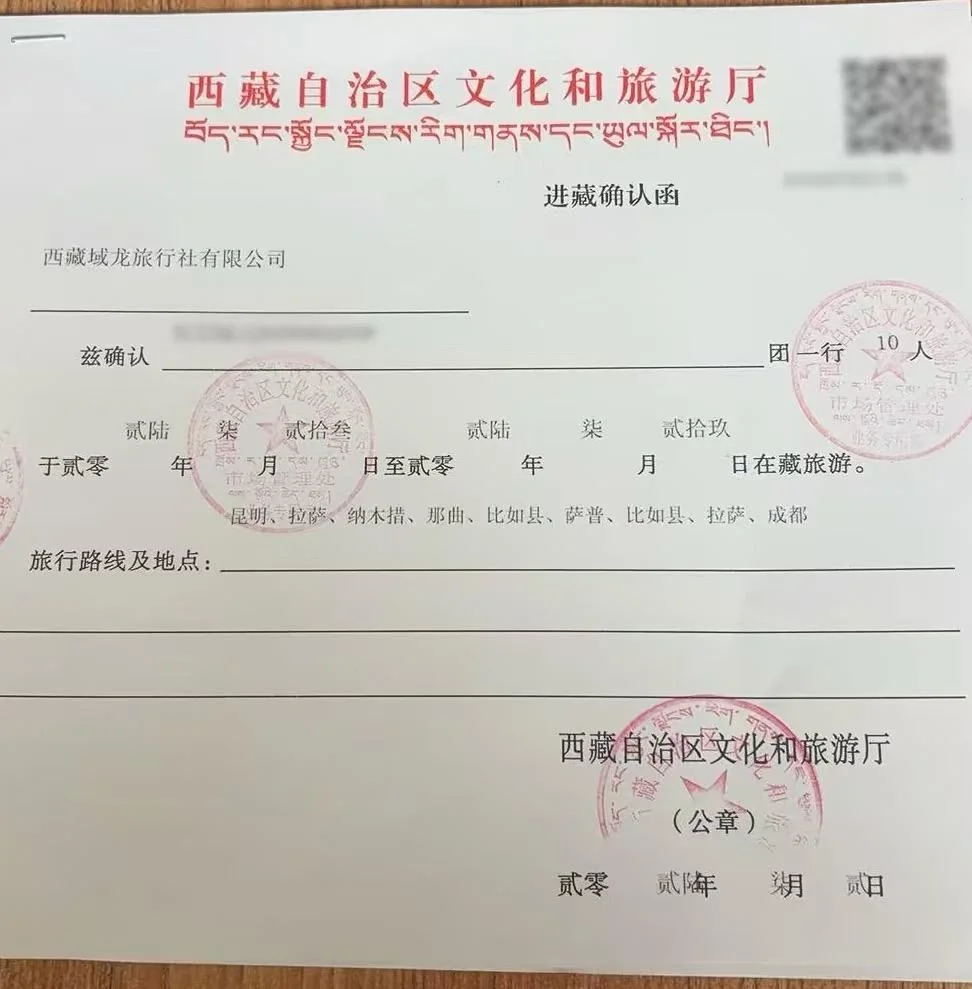
Tibet Permits & Border Checkpoints
- Strict Border Turnaround: Foreign passport holders are prohibited from freely driving across the Jinsha River bridge into the Tibet Autonomous Region (TAR) without an organized tour vehicle structure.
- TTP Document Pre-Requisite: Entering TAR strictly requires an official Tibet Travel Permit (入藏函) arranged weeks in advance; independent self-drive attempts result in immediate detention or police turnaround.
- Frontier Defence Permits: Heading to Everest Base Camp (EBC), Mount Kailash, or Highway G219 requires specialized Frontier Passes (边防证) verified at military checkpoints.
- Drone Aerial Photo Ban: Consumer drones are banned across border corridors, mountain passes, and military zones; radar scanners enforce immediate confiscation and administrative detention.
- Arbitrary Road Closures: Local police checkpoints can close passes for days due to military convoys or weather, demanding dynamic route contingency re-routing that GPS apps do not provide.
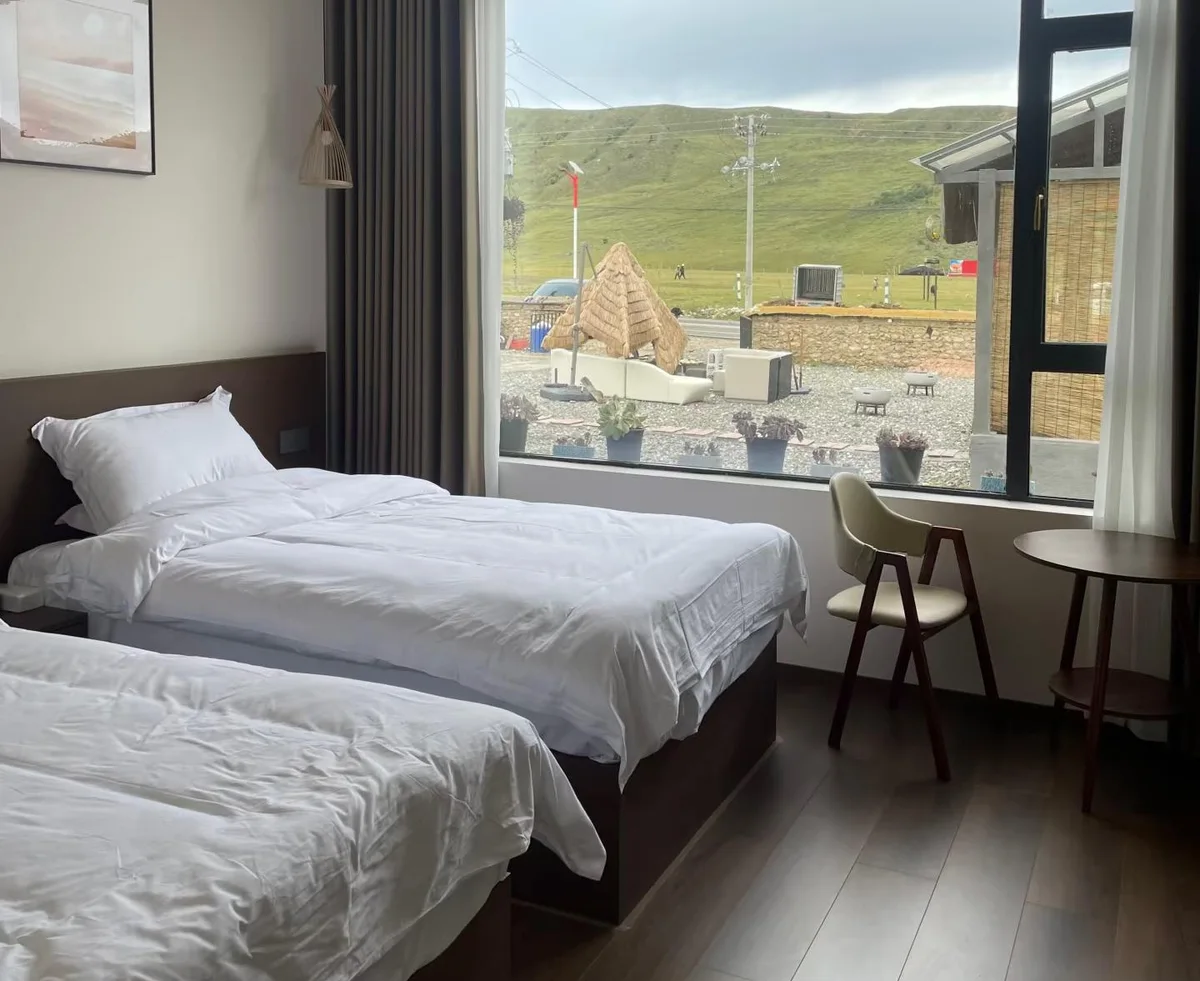
PSB Foreign Hotel Licensing Trap
- 60%+ Hotels Unlicensed: Over 60% of rural Tibetan guesthouses and roadside inns along western corridors lack Public Security Bureau (PSB) foreign guest entry terminals and cannot legally host you.
- Online Booking Mirage: Booking a room on Western booking sites does not guarantee check-in; front desks will flatly turn away foreign passports if their municipal system cannot scan foreign credentials.
- Sub-Zero Midnight Rejection: Arriving after an 8-hour mountain drive in freezing -5°C temperatures with no available licensed beds is a frequent, dangerous reality for uninformed DIY drivers.
- Hypothermia & Insulation Failure: Unlicensed budget motels lack central floor heating or dual-pane glass, drastically increasing severe hypothermia risks and rapid onset of pulmonary edema.
- Peak Season Scarcity: The limited certified foreign-compliant hotel rooms in hub towns (Bome, Bayi, Litang, Taxkorgan) sell out months ahead between June and October, driving surge prices.
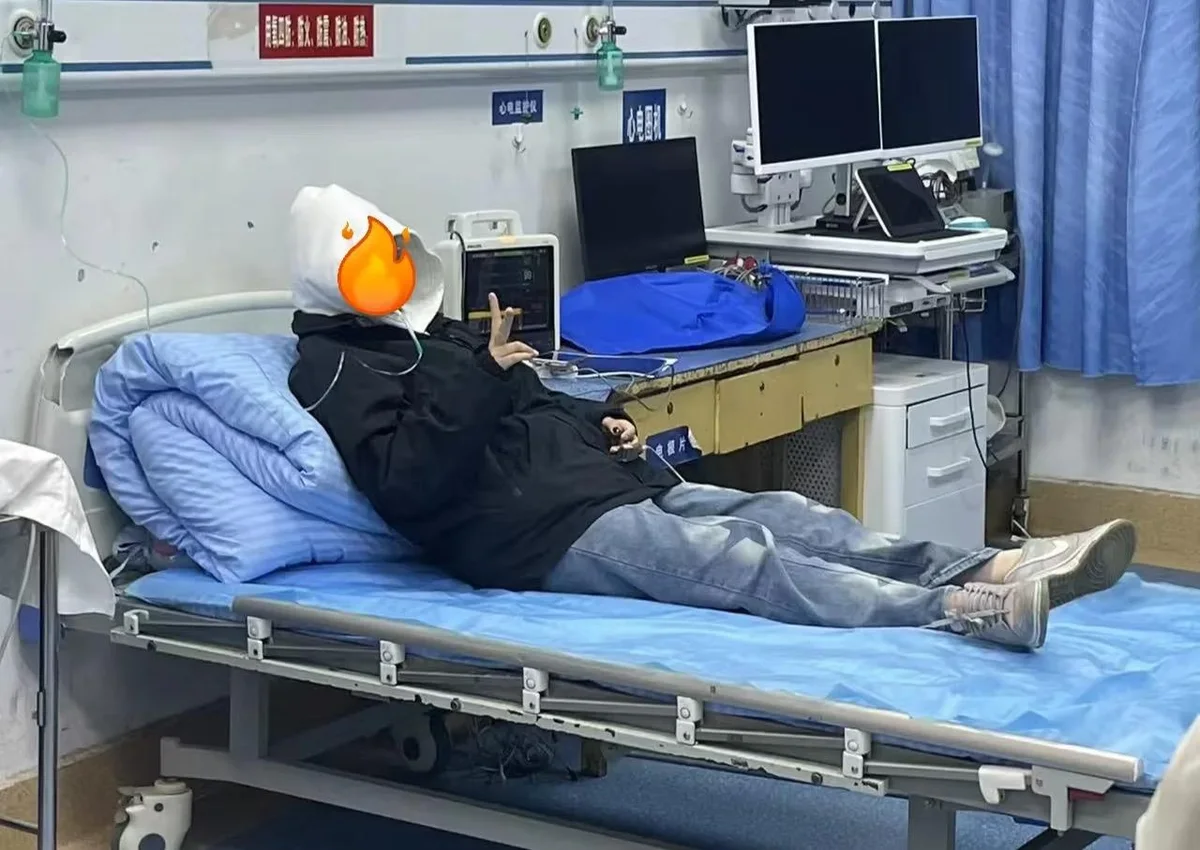
AMS Hypoxia & Medical Emergency
- Rapid Elevation Shock: Ascending from low valleys to mountain passes over 4,000m within 24 hours induces Acute Mountain Sickness (AMS) in over 70% of unconditioned foreign drivers.
- "Climb High, Sleep Low" Rule: Sleeping at extreme elevations (like Litang 4,014m) on night 2 without staging triggers severe hypoxia; medical guidelines demand sleeping lower before pushing higher.
- HAPE & HACE Deterioration: High-Altitude Pulmonary or Cerebral Edema can develop within 6 to 12 hours from unmanaged headaches, requiring immediate emergency descent of at least 1,000 vertical meters.
- Zero English Emergency Care: Local township clinics and county hospitals have zero English-speaking personnel, no direct international insurance billing, and minimal ICU resuscitation capacity.
- Mini Can Oxygen Inadequacy: Disposable tourist spray cans provide less than 2 minutes of continuous oxygen; vehicles must be pre-equipped with 5L+ medical-grade oxygen generators.
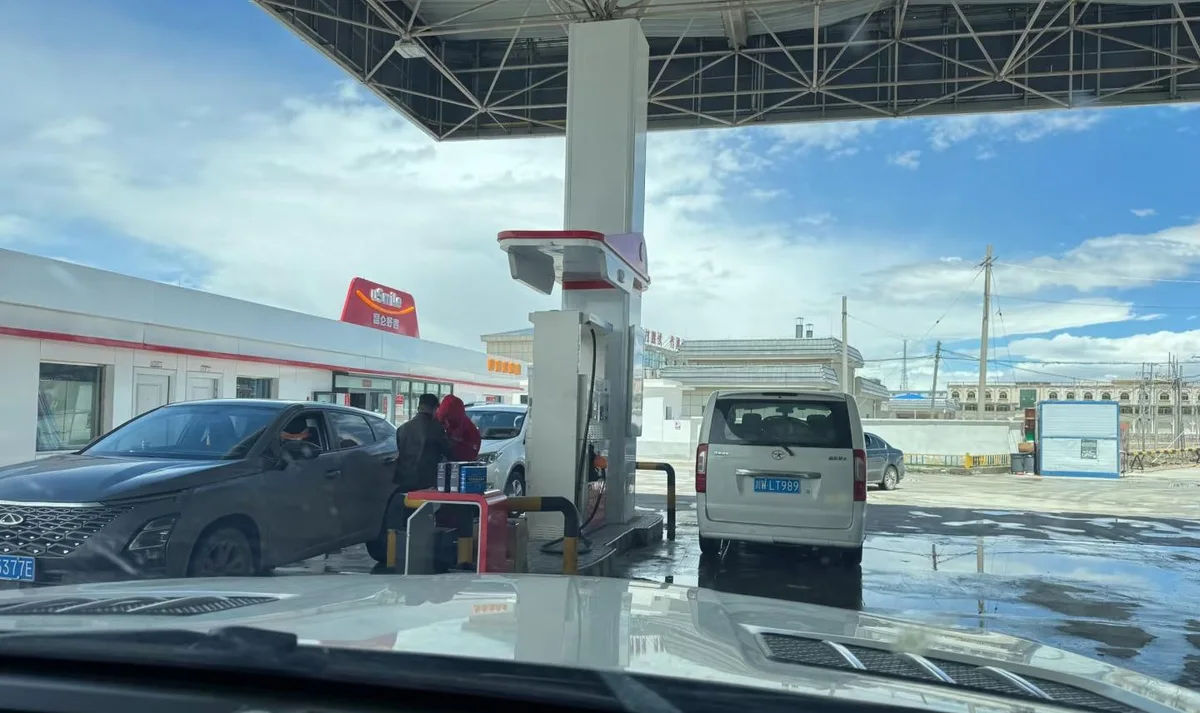
Gas Station ID Locks & Cold EV Drag
- Mandatory National ID Scan: Most PetroChina & Sinopec dispensers in sensitive plateau counties require scanning a Chinese Resident National ID (身份证) before the fuel nozzle mechanically unlocks.
- Manual Police Logging Delays: Foreign passport holders must locate the on-duty station manager for manual police registry photography, often delaying journeys by 40–60 minutes per fill-up.
- 200km+ High-Octane Supply Gaps: Premium 95 and 98-octane fuel frequently runs dry in remote mountain depots, risking engine knocking or complete stranding between distant service plazas.
- 40%–50% EV Range Collapse: Sub-zero mountain pass temperatures and cabin heating load slash electric vehicle range in half, with heavy liquid-cooled charging cables freezing rigid.
- 3x Energy Burn on Climbs: Sustained 30km uphill climbs consume energy at triple the standard rate; flatland dashboard estimates lead directly to battery exhaustion in dead zones.
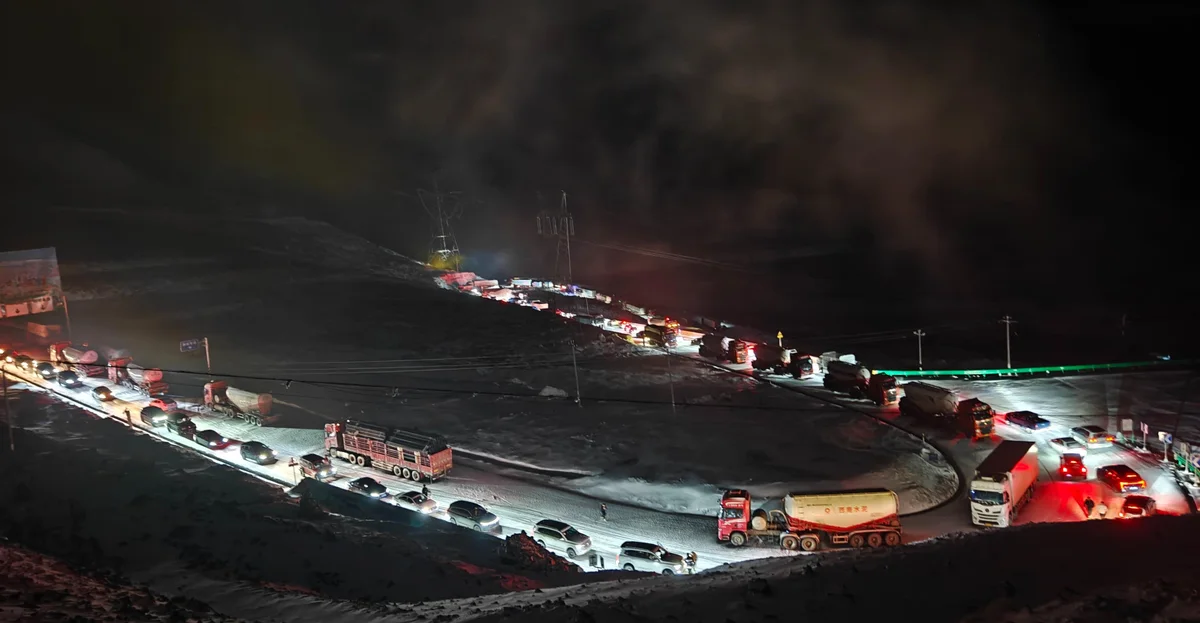
Blizzards, Landslides & Night Gridlock
- Rainy Season Mudslides (Jun–Aug): High-mountain gorges suffer massive rockfalls and mud avalanches, regularly cutting highway access for 24 to 72 hours without detour options.
- Sub-Zero Summer Blizzards: Even in midsummer, passes above 4,000m experience sudden whiteouts, trapping hundreds of vehicles overnight in freezing gridlock.
- Brake Fade on Switchbacks: Descending steep hairpin switchbacks continuously overheats brake pads; improper low-gear engine braking causes catastrophic brake failure.
- Invisible Black Ice (暗冰): Morning shadows and tunnel entrances conceal slick ice sheets, making standard rental tires skid violently without emergency snow chains.
- 35% Engine Power Drop: Naturally aspirated rental engines lose over a third of their horsepower in thin air, turning high-altitude overtakes around blind cliffs into lethal gambles.
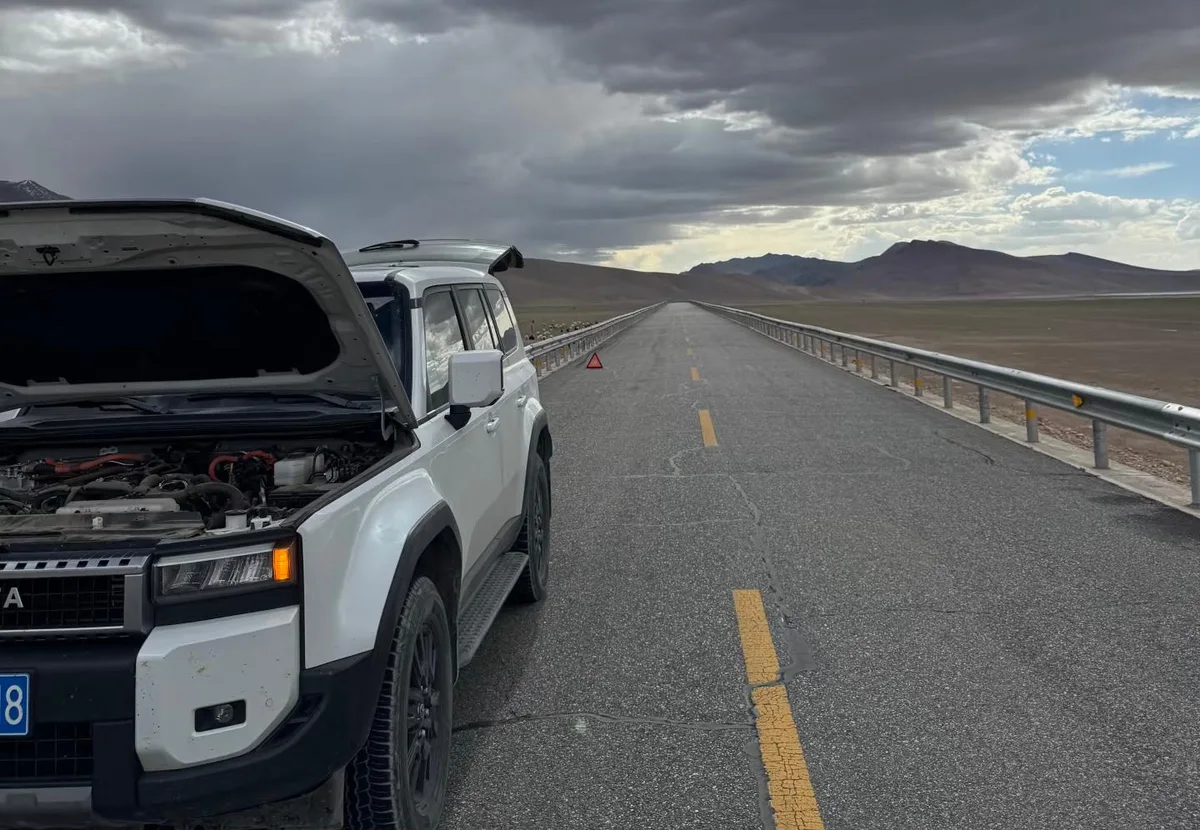
Zero-Signal Zones & No-Rescue Voids
- 50km+ Cellular Dead Zones: Deep canyon crevices and uninhabited mountain stretches have zero mobile signal; international roaming and Google Maps crash entirely without local offline tiles.
- No English 122/12122 Dispatch: Highway emergency rescue (12122) and police accident lines (122) operate exclusively in Mandarin; foreign drivers cannot communicate precise mile markers.
- 6–12 Hour Tow Arrival Times: In remote passes, the nearest heavy flatbed tow truck is hundreds of kilometers away, with commercial rescue fees exceeding 3,000–8,000 RMB.
- Lethal Hypothermia Risk When Stalled: If your vehicle battery or heating fails at 4,500m altitude at night, cabin temperature drops below -10°C within 30 minutes, risking acute hypothermia.
- Chinese GPS Audio Only: High-precision localized hazard alerts (Amap/Baidu) for imminent rockfalls, police radar, or tidal lanes are only broadcast in Chinese voice navigation.
Why High-Plateau Driving Demands an Expert Itinerary Blueprint
A generic travel blog tells you where the scenery is pretty. It will not tell you which checkpoint will seize your rental keys, which county inn will turn away your passport in -5°C midnight cold, or how to avoid fatal cerebral edema at 5,000 meters.
- •Turned back at Jinsha River checkpoint; 10+ days vacation and flights completely wasted.
- •Midnight check-in rejection by unlicensed county motels; forced to sleep in freezing cars.
- •Stranded at gas stations unable to unlock fuel pumps without a Chinese Resident ID.
- •Severe altitude sickness and ICU visits due to reckless 3,500m single-day elevation spikes.
- •Helpless in zero-signal mudslide closures with no English-speaking emergency assistance.
- •100% Legally Compliant Routing: Checkpoint protocols & pre-screened foreign travel permits.
- •Verified Foreign-Licensed Hotels: Pre-screened lodgings with confirmed public security capability (外宾资质).
- •Bilingual Navigation Waypoints: Chinese characters & Pinyin cards for seamless Amap (高德) entry.
- •Medical Elevation Pacing: Scientifically sequenced "climb high, sleep low" stages preventing acute AMS.
- •Alternative Plan B Road Book: Severe weather & mountain pass landslide detour contingency guides.
Frequently Asked Questions (Cross-Border Overlanders)
Can I drive my own foreign-registered car or motorcycle from Nepal into China?
Yes, absolutely. The China-Nepal Overland Highway via Gyirong Port (吉隆口岸) or Zhangmu Port (樟木口岸) is an authorized international entry port for foreign vehicles. However, it requires prior organization: you must work with a licensed Chinese international tour operator to obtain China Customs clearance, vehicle import permits, an ATA Carnet or customs guarantee, and an official Tibetan guide escort.
How long does it take to process the Chinese Temporary Driving License at the border?
At Gyirong or Zhangmu Port, the vehicle administration station typically completes health screening, photo capture, document verification, and license issuance within 2 to 4 hours, provided all passport and certified driving license translations have been pre-filed by your sponsoring travel agency.
Can foreign tourists drive directly up to the Everest North Face Base Camp?
Private vehicles (including rental cars and foreign overland rigs) can drive as far as Zhaxizong / Rongbuk Monastery area. The final 18 kilometers to the official 8,848.86m Mount Everest Monument is restricted to zero-emission electric tourist shuttle buses to protect the fragile Himalayan glacier ecosystem.
Which border port is better: Gyirong or Zhangmu?
Gyirong Port is currently the most modern, fully equipped, and widely used gateway for international travelers and vehicle convoys entering from Kathmandu. Zhangmu Port, heavily affected by the 2015 earthquake, has reopened for international overland groups and freight, offering a more direct route to Nyalam, but road conditions on the Nepal side require sturdy 4WD clearance.
What kind of fuel is available along the China-Nepal Friendship Highway?
Modern PetroChina and Sinopec stations operate in Gyirong Town, Old Tingri, New Tingri (Shelkar), Shigatse, Nagarze, and Lhasa. They provide clean 92# and 95# unleaded gasoline and 0# / -10# / -20# alpine diesel. Carry cash or Alipay/WeChat Pay; foreign credit cards are rarely accepted at rural gas stations.
How should foreign drivers prepare for the dramatic elevation gain?
Ascending from 1,800m at the Nepal border to over 5,200m at Gawula Pass in less than 48 hours presents real Acute Mountain Sickness (AMS) risks. Spend your first night in Gyirong Town (2,600m) to acclimatize. Drink plenty of warm water, avoid alcohol and strenuous exercise, and ensure your vehicle is equipped with supplemental oxygen cylinders.
Is an International Driving Permit (IDP) accepted in Tibet?
No. The People’s Republic of China has not signed the 1949 or 1968 UN Conventions on Road Traffic and does not recognize International Driving Permits. You must obtain an official PRC Provisional Driving Permit (临时驾驶许可), which can be issued at the port of entry on the day of arrival.
Can we continue driving our foreign vehicle eastward to Beijing, Shanghai, or Southeast Asia?
Yes. Many international overland expeditions enter through Gyirong and continue along G318 to Chengdu, through Yunnan to Laos/Vietnam, or along the Silk Road through Xinjiang to Central Asia. However, your detailed onward itinerary and route corridors must be pre-approved by China Customs and provincial public security departments.
Can foreign adventure motorcycles cross from Nepal into Tibet?
Yes. In fact, foreign motorcycle rallies and individual riders regularly cross Gyirong Port. Motorcycles require the same customs deposit / ATA Carnet, temporary Chinese plates, and agency guide escort as four-wheeled vehicles. Riding across the roof of the world beneath Mount Everest is widely considered one of the ultimate motorcycling achievements on earth.
What happens if a vehicle experiences mechanical breakdown on a high pass?
Your agency escort vehicle provides initial support, towing gear, and communication liaison. Professional heavy-duty tow trucks are based in Tingri and Shigatse and can reach high mountain passes within 2 to 4 hours. Local garages along G318 can handle basic mechanical repairs, while complex electronics or foreign parts may require shipment from Chengdu or Lhasa.
Border Port Comparison
Choosing your point of entry from Nepal
Fuel & Service Plazas
- Gyirong Town: PetroChina 92#/95# and alpine diesel.
- Old Tingri (Gangga): Modern Sinopec station with emergency tire repair.
- Shigatse: Major metropolitan hub with international brand oil & workshops.
- Lhasa: Complete automotive dealerships, parts supply, and shipping logistics.
Emergency & Border Hotlines
Save these official emergency numbers for the Himalayan border corridor
DriveChinaNow Quality Commitment
- Real customs protocols based on 2026 China Customs entry directives.
- Direct connections to licensed international agencies in Lhasa and Kathmandu.
- Zero speculation: verified altitude profiles and vehicle technical criteria.
- Full support for bringing your own vehicle, motorcycle, or fly-and-drive rental.
Plan Your Cross-Border Drive
Bringing your own vehicle or renting a 4x4 from Gyirong/Lhasa? Inquire with our cross-border logistics specialists.